Valorant, how Rawzu's low cortisol aim style works on Phoenix
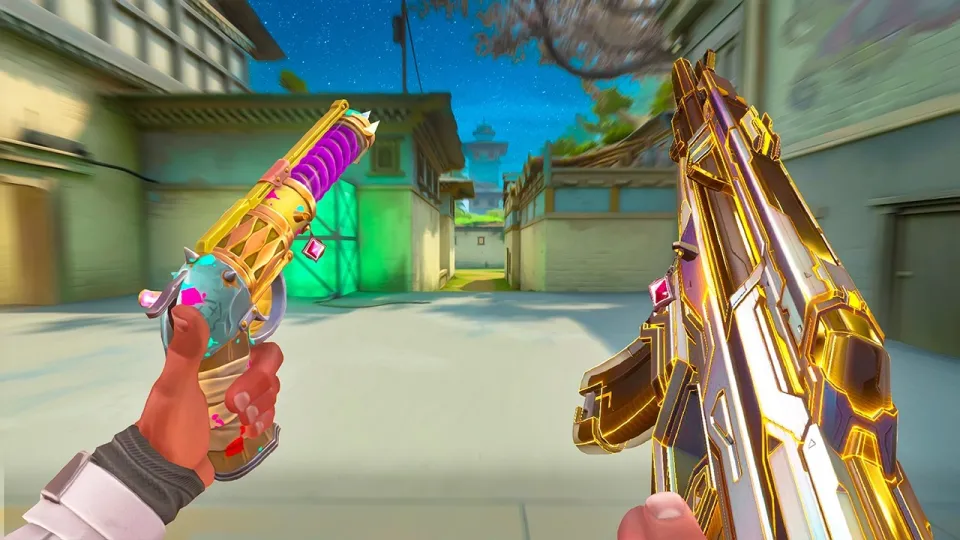
Video: low cortisol aim..
You can order the same kind of articles for your own video to boost it on YouTube and Google. Just message the Telegram bot @sat_sit_bot. Articles with your video embedded are written and posted by the bot itself — on popular topical sites (no ads). Free trial — 50 articles.
Valorant is a 5v5 tactical shooter where aim is only half the fight: utility, movement and decision-making decide most duels. The "low cortisol aim" idea popularised by the Rawzu channel describes a deliberately calm approach to Valorant aim — smooth crosshair placement, no panic flicks, and Phoenix utility used to force fights on your terms instead of reacting to the enemy. You can start optimising your own setup for that style with the Hone PC optimisation page used by Rawzu.
What "low cortisol aim" actually means in Valorant
Low cortisol aim is a Valorant training mindset, not a secret sensitivity: it means keeping your hand relaxed, pre-aiming common angles and letting the enemy walk into your crosshair instead of chasing the kill. Rawzu's Phoenix clips are built on exactly that — the player holds an angle, flashes with Curveball, and only then commits to the duel.
The phrase borrows from the cortisol discussion in fitness and streaming culture, where high stress is blamed for shaky hands and bad decisions. In a tactical shooter the practical translation is simple: fewer unnecessary mouse movements per round, more patience, and utility used before the peek rather than after it. That is why the channel's calm aim clips look almost boring compared to highlight-reel flick montages — the shots are already lined up when the enemy appears.
Rawzu's Valorant settings and gear
The setup behind these Phoenix clips is deliberately conservative: low sensitivity, a stretched resolution and a fast monitor. Rawzu lists the following in the video description:
- Sensitivity: 400 DPI with 0.625 in-game — roughly 250 eDPI, well below the Valorant average.
- Resolution: 1440x1080, a stretched 4:3 variant that widens enemy models on screen.
- Crosshair: code 1-6-2-2, a small static crosshair suited to precise head-level placement.
- Mouse: Logitech G Pro X Superlight 2.
- Mousepad: Artisan Zero Soft, a control-oriented cloth pad.
- Monitor: Zowie XL2566K running at 360Hz.
Low eDPI plus a control pad is the hardware side of low cortisol aim: large arm movements cover the turn, the wrist only makes micro-adjustments. A 360Hz panel does not make anyone accurate, but it shortens the feedback loop when practising crosshair placement in deathmatch.
Why Phoenix fits a calm aim style
Phoenix is an offensive Valorant duelist who specialises in hunting enemies while crippling their ability to fire back, which makes him a natural fit for a patient, utility-first approach. His kit gives a calm player three ways to control the terms of a duel:
- Blaze creates a wall that blocks vision and damages anyone walking through it, so Phoenix can cross open ground or split a site without exposing himself to a clean angle.
- Curveball is a flash that curves around corners, blinding defenders even when they are holding from cover — the flash goes in first, the aim duel comes second.
- Hot Hands adds area denial and self-healing, letting Phoenix recover chip damage instead of resetting the round.
- Run it Back is the ultimate safety net: dying while it is active returns Phoenix to the recall point at full health, so an aggressive peek is no longer a coin flip.
In combination, the flash and wall remove the defender's information advantage, and the ultimate removes the penalty for a failed entry. The aim still has to be there — but the utility buys the half-second that makes calm aim possible.
How to practise low cortisol aim in Valorant
Calm aim is trainable if you separate the mechanical part from the decision-making part. A practical routine for Valorant players who want the Rawzu-style composure:
- Warm up in the Range on stationary bots at head level, then move to strafing bots — 10 minutes maximum, no flick challenges.
- Play one deathmatch with the rule that you never shoot first unless your crosshair is already at head height; count the duels you lose by peeking early.
- Set your sensitivity once and stop changing it: 400 DPI / 0.625 is a reference point, not a requirement — anything in the 200–320 eDPI band supports arm aiming.
- In ranked games, queue Phoenix and force yourself to use Curveball before every entry, never after being shot.
- Review one round per game where you died first and ask whether utility or patience would have changed the outcome.
The common trap is treating calm aim as slow aim. It is not: the crosshair moves fast between angles, it just stops exactly where the enemy will appear, and the click happens without a correction.
Common questions from viewers of the clip
The comments under Rawzu's Phoenix video show what actually confuses people watching calm aim gameplay — the movement, the sudden audio moments, and the gap between the viewer's rank and the player's positioning. The most frequent themes are worth addressing directly.
First, movement. Several viewers note that the aim is good but the movement is what stands out, and that is the correct read: counter-strafing, stopping before the shot and using Blaze to break line of sight are what create the clean duels. Second, positioning — the recurring "how is that guy already there" reaction is usually about off-angles and rotations timed with utility, not about raw speed. Third, audio: loud in-game voice lines and ability sounds at high volume are a real part of the experience, so headphones at a moderate level are a sensible default. Finally, viewers regularly ask for another settings video, which suggests the sensitivity and resolution details above are the most requested information around the channel.
Useful links
- Optimise your PC for Valorant with Hone — the partner link from the video description.
- Rawzu's original music: https://open.spotify.com/artist/6DbATPR1PTNMx7U918bg1Q
- Rawzu's Discord community: https://discord.gg/axnFwyvxp3
Bottom line
Low cortisol aim in Valorant is less about a magic sensitivity and more about removing panic from the duel: pre-aim, flash first, commit second. Rawzu's Phoenix gameplay demonstrates the package — 400 DPI at 0.625, 1440x1080 stretched, crosshair 1-6-2-2, a Superlight 2 on an Artisan Zero Soft and a 360Hz Zowie — but the settings only support the habit. If you want the same conditions on your own machine, start with Hone's Valorant optimisation, then copy the routine rather than the numbers. The Rawzu channel is the place to watch the style applied round after round.
Key takeaways
- Rawzu runs 400 DPI with 0.625 in-game sensitivity in Valorant.
- Resolution is 1440x1080 and the crosshair code is 1-6-2-2.
- Gear: Logitech G Pro X Superlight 2, Artisan Zero Soft pad, Zowie XL2566K at 360Hz.
- The clip is Phoenix gameplay built around Blaze walls, Curveball flashes and Run it Back.
- Channel Rawzu also publishes original music and a second channel, rawzuV2.
Source: low cortisol aim.. · Markdown version
Questions & answers
What sensitivity does Rawzu use in Valorant?
Rawzu lists 400 DPI with 0.625 in-game sensitivity, which works out to about 250 eDPI. That is a low-sensitivity, arm-aiming setup paired with the Artisan Zero Soft pad and a Logitech G Pro X Superlight 2.
Is low cortisol aim just a meme or a real training approach?
It is a label for a real habit: relaxed hand, pre-aimed angles and utility used before the peek. The name comes from stress culture, but in Valorant it translates into fewer corrections per duel and more patience in deathmatch practice.
Why does Phoenix suit this playstyle better than other duelists?
Phoenix brings Curveball, a flash that curves around corners, and Blaze, a vision-blocking wall that damages enemies. Both let him dictate when the aim duel starts, and Run it Back makes an aggressive entry recoverable.
Do I need a 360Hz monitor to aim like this?
No. A 360Hz panel like the Zowie XL2566K improves feedback and motion clarity, but crosshair placement and counter-strafing are learned on any refresh rate. Fix your sensitivity, warm up in the Range and review your first deaths instead.